

The Real Cost of Hiring a Faceless Video Creator and Editor
Faceless YouTube channels grew fast, and for good reason: you don’t need to show your face to build an audience, run ads, or sell something. What most people starting don’t realise is how much of the actual work falls on whoever’s behind the camera, or in this case, behind the timeline.
Hiring a faceless video creator and editor sounds simple. It isn’t. The rate on a freelancer’s profile is maybe 60 per cent of what you’ll actually spend. This guide covers the rest.
What Does a Faceless Video Creator and Editor Actually Do?
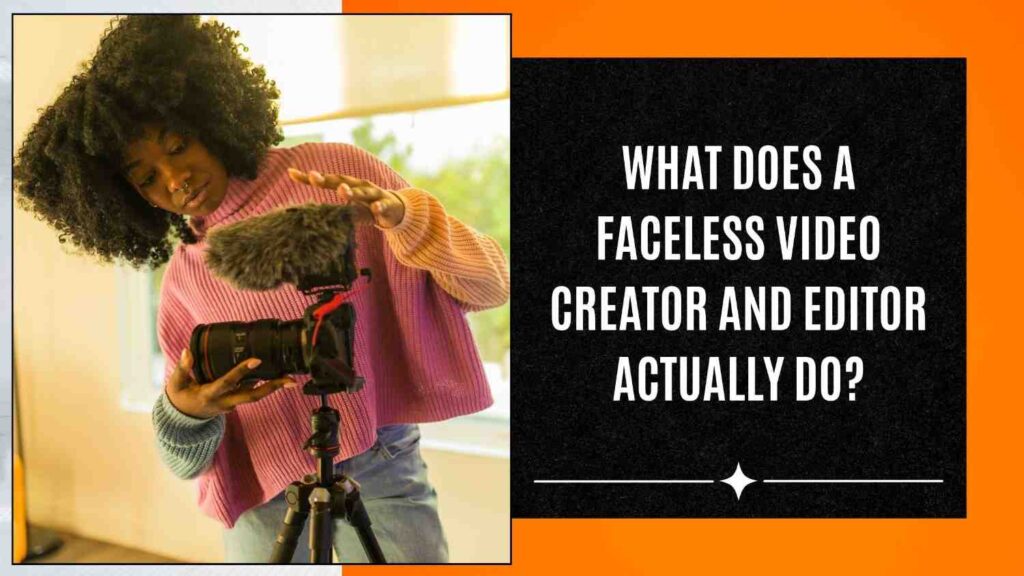
A faceless video creator and editor handles every stage of producing videos, where no human presenter appears on camera. The role typically covers far more than simple cutting and trimming. More than most people expect. It’s not just cutting clips. A capable hire handles:
- Researching trending topics and angles in your niche
- Writing or refining scripts that match your brand voice
- Sourcing stock footage, B-roll, and royalty-free music
- Generating or recording voiceovers, often with tools like ElevenLabs
- Editing the final cut with transitions, captions, and motion graphics
- Designing thumbnails for click-through rate
- Uploading and optimising metadata for YouTube and short-form SEO
That’s a full production pipeline compressed into one role. When it works, it’s remarkable. When the person you hired can only do half of it, you’ll feel every gap.
The Sticker Price: What You’ll Pay Per Video

Rates vary widely based on experience, location, and how complex your content is:
| Type | Per-video | Monthly retainer | Hourly |
| Budget freelancer | $25–$75 | $300–$900 | $10–$20 |
| Dedicated VA (agency) | $50–$120 | $600–$1,400 | $12–$25 |
| High-end/cinematic | $150–$500 | $2,000–$5,000 | $35–$100+ |
Project rates assume a standard 6–10 minute YouTube video. Short-form content (Reels, Shorts, TikToks) typically runs $10 to $50 per clip, depending on skill level and how much animation is involved.
If you publish three long-form videos per week plus ten shorts, a mid-level faceless video creator and editor working at project rates will run you between $1,200 and $3,000 per month. That is just for the editing. We haven’t even touched the rest of the iceberg yet.
The Hidden Costs Most People Don’t Budget For

This is where new content creators get blindsided. The advertised rate is rarely what you actually end up spending. Here are the expenses that quietly inflate the real cost of producing faceless content.
Software and subscriptions
Your editor needs tools. Even if they own their own licenses, you’ll often end up covering:
- Adobe Creative Cloud or Final Cut Pro ($23 to $60 per month)
- Stock footage libraries like Storyblocks or Artgrid ($15 to $30 per month)
- AI voiceover services like ElevenLabs ($22 to $99+ per month)
- Music licensing via Epidemic Sound or Artlist ($15 to $50 per month)
- Thumbnail design tools and AI image generators ($10 to $30 per month)
That’s $85 to $270 per month before anything gets rendered.
Revisions and rework
Most editors charge for revisions past an agreed limit. If you’re still figuring out what your channel sounds like, you’ll burn through those rounds quickly. Each extra round typically costs 10 to 25 per cent of the base rate. This adds up faster than you’d think.
Onboarding time
A new faceless video creator and editor needs to learn your brand voice, your thumbnail style, your pacing, and what you’re actually trying to do. That usually takes two to four weeks of close back-and-forth. During that period, output is slower, and revision rates are higher. Budget for it.
Your own time
Briefs, feedback calls, Slack threads for an active channel, this can take five to ten hours a week. That has a cost even if it doesn’t show up on an invoice.
In-House vs Freelance vs Virtual Assistant

Hiring in-house
A full-time video editor in the US costs $50,000 to $90,000 in salary. Add 25 to 30 per cent for taxes, benefits, equipment, and software: $65,000 to $120,000 per year. For a solo creator or small business, that only makes sense if you’re publishing daily across multiple channels.
Freelance marketplaces
Upwork and Fiverr offer flexibility. They also come with marketplace fees, inconsistent quality, and real-time spent vetting. Turnover is high. Most creators go through three to five freelancers before finding one who actually sticks around.
Virtual staffing agencies
This is where a lot of creators end up after the freelancer churn wears them out. An agency vets candidates, handles payroll and replacements, and matches you with a faceless video creator and editor whose skills fit your channel. Rates typically fall between freelance and in-house, with more stability than a marketplace hire.
Also read: How Can We Run A One-Person Agency With the Help of Remote Staff? Explaining the Economics involved
Geographic Pricing

Where your editor lives is one of the biggest variables in what you pay.
- Philippines and Southeast Asia: $5 to $15 per hour. The Philippines specifically has a deep pool of English-fluent editors with real YouTube and short-form experience.
- Eastern Europe and Latin America: $15 to $30 per hour. Often strong on motion graphics and more cinematic styles.
- Western Europe and North America: $40 to $100+ per hour.
For most faceless channels, hiring from the Philippines through a structured staffing service tends to offer the best trade-off: a dedicated editor working your hours, with managed onboarding and a replacement guarantee if the fit isn’t right.
What You Actually Get at Each Price Point

Under $50 per video
Basic cuts, captions, stock footage. Minimal motion graphics, generic thumbnails, and slower turnaround. Workable for testing a niche. Not for building something serious.
$75 to $200 per video
Where most growing faceless channels operate. Clean pacing, custom B-roll, on-brand thumbnails, reliable delivery. Most of the channels that actually get traction are in this range.
$300+ per video
Custom animations, advanced motion graphics, layered sound design. Worth it if you have strong ad revenue or high-ticket products to sell. Probably not the starting point.
A Realistic Monthly Cost

On average, three long-form videos and five Reels per week:
- Three long-form at $120 each: $1,440
- Twenty short-form clips at $25 each: $500
- Tools and subscriptions: $150
- Revisions and miscellaneous: $200
Total: about $2,290 per month for 32 finished assets.
A single in-house editor at loaded cost runs about $5,400 per month for the same volume. The outsourced route costs less than half and gives you more flexibility.
How Virtual-Staffing.com Changes the Equation
A few things work differently when you go through a managed faceless video creator and editor service:
- Candidates are pre-screened for skill, reliability, and English proficiency. You’re not reviewing 80 applications.
- Agency-matched editors stay longer than marketplace hires, which means you’re not retraining every few months.
- If the match doesn’t work, you get a replacement at no extra cost. That removes the biggest financial risk in the whole process.
- Flat monthly billing instead of per-project invoices that swing unpredictably.
- Many Filipino editors work US business hours, so turnaround doesn’t involve a 12-hour lag.
Red Flags That’ll Cost You More Later

- No portfolio in your niche. A generalist needs extensive training to match the pacing of finance, true crime, motivational, or other faceless formats. That training costs you time.
- Vague turnaround commitments. If they can’t give you a delivery date before the project starts, you’ll be chasing deadlines once you’re locked in.
- Pushback on revisions. Good editors expect feedback. If someone gets defensive in the first week, that’s what every week looks like.
- Slow communication during hiring. Response time during the trial period is the best it’ll ever be.
When Hiring Pays for Itself

Editing your own videos takes 15 to 25 hours per long-form piece. Hiring a faceless video creator and editor gives that back. What you do with it, strategy, monetisation, audience building, or just being a person who’s not exhausted is up to you.
A faceless channel at scale can generate $2,000 to $30,000+ per month from ads, sponsorships, affiliates, and products. A strong editor’s cost is typically recovered within a few months of consistent publishing. The math gets easier the longer you stick with it.
Final Thoughts
The real cost of hiring a faceless video creator and editor isn’t the invoice. It’s the sum of software, onboarding, revisions, your time, and what happens when the hire goes sideways. Once you factor all of that in, a structured staffing partner makes a lot more sense than cycling through marketplace freelancers and hoping one works out.
Contact us and let us match you with a pre-vetted editor who fits your channel’s voice, pace, and budget. No more starting over.